
Business Valuation Mistakes to Avoid: A Consultant’s Perspective
Understanding Business Valuation
Business valuation is a critical process for any business owner considering selling their business, seeking investors, or planning strategic growth. However, it's a complex task that requires careful consideration and expertise. As a consultant, I've seen many business owners make avoidable mistakes that compromise the accuracy of their valuations.
Understanding the true value of a business is not just about numbers; it's about understanding what those numbers represent in the current market context. Let's explore some common mistakes and how to avoid them.

Overlooking Market Conditions
A common mistake is failing to account for current market conditions. Many business owners focus solely on internal financials without considering external factors that can significantly impact valuation. This includes industry trends, economic conditions, and even geopolitical events.
Ignoring these factors can lead to an inflated or deflated business value. It's crucial to perform a comprehensive market analysis to understand where your business stands in the broader landscape.
Inaccurate Financial Records
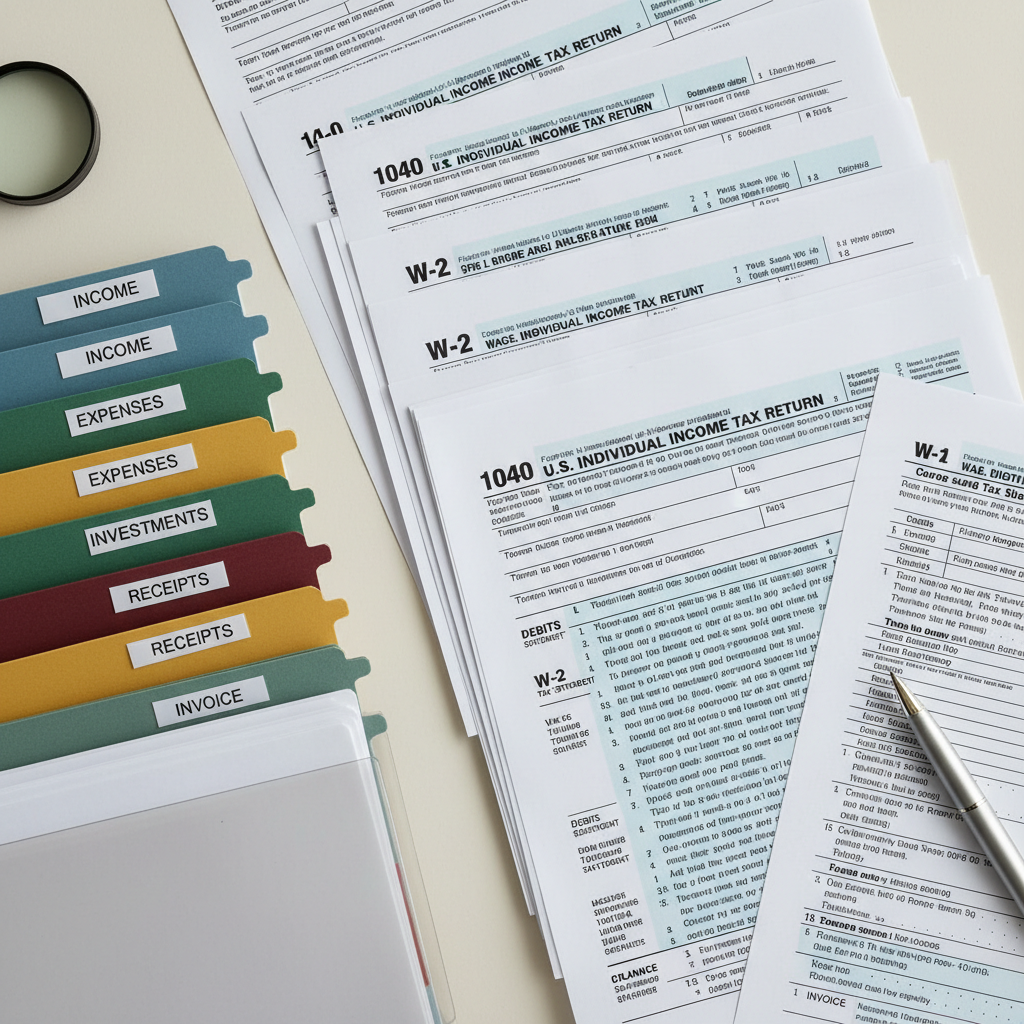
Accurate financial records are the backbone of any valuation. Incomplete or inaccurate records can lead to incorrect conclusions about a business's worth. Ensure all financial statements are up-to-date and reflect the true financial health of the business.
Professional assistance from accountants or financial advisors can help ensure your records are precise and comprehensive, providing a solid foundation for valuation.
Ignoring Intangible Assets
Many business owners undervalue their intangible assets, such as brand reputation, intellectual property, and customer relationships. These assets can significantly boost the value of a business but are often overlooked in valuations.
Consider the impact of intangible assets on your business's earning potential and include them in your valuation process to ensure a more accurate picture of your business's worth.
Relying Solely on Historical Data
While historical data is important, relying solely on past performance can be misleading. Future prospects, current market trends, and growth potential should also be considered to provide a more accurate valuation.
- Analyze future growth opportunities.
- Consider potential risks and challenges.
- Evaluate how your business model fits into future market conditions.

Choosing the Wrong Valuation Method
There are several methods to value a business, and choosing the wrong one can lead to inaccurate results. Whether it's the asset-based approach, income approach, or market approach, each has its strengths and is suitable for different types of businesses.
Consulting with a valuation expert can help determine the most appropriate method for your specific business situation.
Conclusion
Avoiding these common mistakes requires a comprehensive understanding of both your business and the market. By taking a holistic approach and seeking professional guidance, business owners can achieve a more accurate and realistic valuation, paving the way for informed decision-making.